What's Your Self-Talk Style? Discover Your Inner Voice
Imagine having a companion with you 24/7, commenting on everything you do, predicting your future, and judging your every move. For most of us, that companion is our own inner voice—and it never shuts up. The way you talk to yourself matters more than you might think. It shapes your self-esteem, influences your decisions, and deeply impacts your overall mental health. Psychologists refer to this internal dialogue as "self-talk," and it is one of the most powerful tools—or obstacles—in your personal growth journey.
In this comprehensive guide, we will explore the four main styles of self-talk, examine the science behind why your inner voice matters, and help you discover your dominant style through a simple quiz. By learning to identify these patterns, you can begin to cultivate a supportive inner voice that works for you rather than against you.
Table of Contents

What Is Self-Talk?
Self-talk is the continuous stream of silent thoughts that run through your head daily. This internal narrative is constantly active, interpreting your experiences, judging your actions, and shaping how you perceive the world. It can be positive, negative, neutral, or highly constructive. According to research in cognitive behavioral therapy (CBT), our thoughts directly influence our emotions and behaviors. If you constantly engage in negative self-talk, you reinforce limiting beliefs that hold you back from achieving your full potential.
Conversely, practicing intentional positive self-talk does not mean ignoring life's problems. Instead, it involves approaching hardships in a more productive and compassionate manner. By shifting your perspective, you can build psychological resilience, reduce stress, and improve your overall well-being. Understanding this connection is the first step toward mastering your mind.
The Four Self-Talk Styles
Psychologists and experts in positive psychology categorize our internal dialogue into four distinct styles. Each style has its own unique tone, motivation, and impact on your life:
1. The Inner Critic
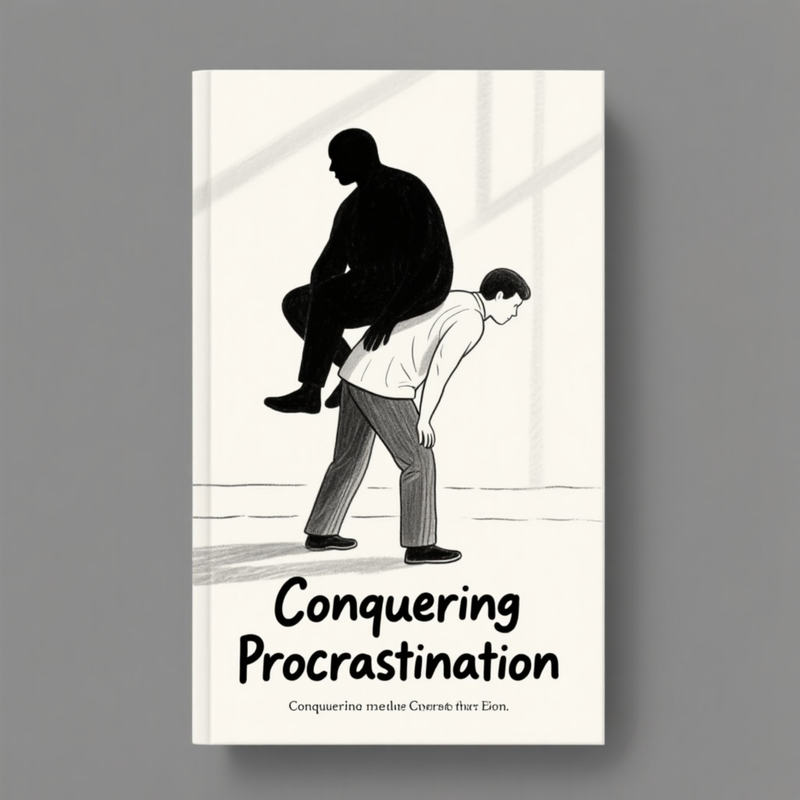
This voice is harsh, judgmental, and highly unrealistic. It focuses entirely on your flaws, magnifies your mistakes, and compares you unfavorably to others. The Inner Critic relies heavily on cognitive distortions, using absolute terms like "always" or "never." It sounds like: "You're going to fail," "You always mess things up," or "You aren't as smart as they are." While it often tries to motivate you through fear, it ultimately leads to high anxiety, procrastination, and low self-esteem.
2. The Realist
The Realist is neutral, objective, and strictly factual. It does not judge or sugarcoat situations; it simply observes reality as it is. This voice says things like: "I made a mistake on that report. Let me see how I can fix it," or "I feel nervous about this presentation, which is a normal human reaction." The Realist helps you stay grounded and prevents emotional escalation during stressful events.
3. The Cheerleader
The Cheerleader is unconditionally positive, enthusiastic, and supportive. It pumps you up with high-energy affirmations such as: "You are absolutely amazing!" "You can do anything you set your mind to!" and "Everything is going to work out perfectly!" While this style is fantastic for boosting immediate confidence, it can sometimes overlook practical challenges or lead to disappointment if things do not go exactly as planned.
4. The Coach
The Coach represents the gold standard of internal dialogue. It beautifully combines the supportive nature of the Cheerleader with the objective clarity of the Realist. The Coach is constructive, encouraging, and deeply rooted in realistic optimism. It says: "This is a tough challenge, but you have prepared well," "That attempt didn't work, so let's analyze what we can learn from it," or "You are capable of handling this step-by-step." This style fosters long-term growth, resilience, and deep self-compassion.

🌟 Real-Life Inspirations & Success Stories
Consider the story of legendary athlete Michael Jordan. Cut from his high school varsity basketball team, Jordan did not let his Inner Critic dictate his future. Instead, he adopted the mindset of "The Coach." He used realistic optimism to acknowledge his current limitations while actively encouraging himself to work harder, practice longer, and learn from every missed shot. Similarly, author J.K. Rowling faced dozens of rejections for her initial Harry Potter manuscript. By practicing self-compassion and maintaining a constructive internal dialogue, she pushed through despair to achieve historic global success. Both figures demonstrate that how you talk to yourself during failure determines your ultimate triumph.
Why Self-Talk Matters for Mental Health
Scientific research, including clinical studies published by the Mayo Clinic, shows that your internal dialogue directly impacts your physical and psychological well-being. Shifting from negative to positive patterns yields profound benefits:
- Mental Health: Chronic negative self-talk is heavily linked to elevated levels of depression, generalized anxiety, and emotional burnout. Cultivating a supportive inner voice acts as a psychological buffer, significantly improving your overall emotional resilience.
- Performance Under Pressure: Elite athletes, public speakers, and corporate executives utilize structured self-talk to enhance focus, manage physiological arousal, and execute complex tasks successfully when the stakes are high.
- Healthy Relationships: The way you treat yourself sets the standard for how you allow others to treat you. When you practice self-compassion, you establish healthier boundaries and project less insecurity onto your loved ones.
- Personal Growth: A constructive, Coach-like voice encourages you to take calculated risks, embrace failures as learning opportunities, and persist through difficult life transitions.

What's Your Self-Talk Style?
The way you talk to yourself shapes your confidence, decisions, and mental health. Take this 10-question quiz to discover your inner voice style and get personalized tips plus an exclusive discount code!
Quiz Completed! 🎉
Interpreting Your Self-Talk Style
Once you identify your dominant style, you can use targeted strategies from cognitive behavioral therapy to optimize your mental patterns:
If You're an Inner Critic
Your inner voice is currently holding you back, which can be incredibly exhausting. The goal is not to fight this voice, but to gently reframe it. Start by practicing mindfulness to notice when the critic speaks. Reframe harsh statements into objective ones. For example, change "I'm a complete failure" to "I made a mistake, and I can learn from this."
- Next Step: Practice daily self-compassion exercises. Write a letter of encouragement to yourself from the perspective of a kind, non-judgmental friend.
If You're a Realist
You possess a highly balanced and objective perspective, which is an excellent foundation. However, to maximize your potential, you should actively inject more encouragement into your thoughts. Combine your facts with supportive action steps.
- Next Step: Start a daily gratitude journal where you explicitly highlight your personal efforts, strengths, and small victories.
If You're a Cheerleader
Your natural positivity is a wonderful asset, but it needs to be balanced with practical execution. Ensure that your optimism does not cause you to ignore real obstacles or avoid necessary preparation.
- Next Step: Practice realistic optimism. Pair your positive affirmations with concrete, actionable plans to navigate potential challenges.
If You're a Coach
Congratulations! You have successfully found the psychological sweet spot. Your inner voice naturally supports your growth, embraces self-compassion, and maintains realistic optimism. Your challenge now is consistency.
- Next Step: Maintain this healthy habit during times of extreme stress, and consider mentoring others who struggle with negative self-talk.
🎁 Special Offer for Our Readers
Thank you for taking the time to explore your inner world! To help you on your journey to mastering your mind, use the exclusive discount code NONO_2025 at checkout to receive a special discount on our premium personal development resources.
Frequently Asked Questions (FAQs)
Q1: Can I have more than one self-talk style?
Yes, absolutely. Most people exhibit a blend of styles depending on the situation. For example, you might be a Coach at work but slip into an Inner Critic style when it comes to personal relationships. The key is to build awareness and consciously guide yourself toward the Coach style.
Q2: How long does it take to change negative self-talk patterns?
Rewiring your brain takes time and consistent practice. By utilizing cognitive behavioral therapy techniques daily, most individuals begin to notice a significant shift in their default inner voice within 3 to 6 weeks.
Q3: Is positive self-talk the same as toxic positivity?
No. Toxic positivity forces a happy state and denies real pain. Healthy positive self-talk—specifically realistic optimism—acknowledges difficulties and pain but focuses on constructive ways to cope and grow.
💬 We'd Love to Hear Your Thoughts!
Which of the four self-talk styles resonated with you the most today? Do you find your Inner Critic taking over during stressful times, or are you already practicing the Coach mindset? Share your personal experiences and thoughts in the comments below—we read and reply to every single one!
Summary & Key Takeaways
Your inner voice is your lifelong companion. Shifting your internal dialogue from a harsh critic to a supportive, constructive coach is one of the most profound acts of self-care you can perform. By practicing self-compassion, embracing realistic optimism, and utilizing cognitive behavioral therapy principles, you can completely transform your mental health and unlock your true potential. You deserve to hear kindness and encouragement from the person you spend the most time with—yourself.
Stay tuned for our next interactive quiz: "What Area of Your Life Needs the Most Growth?"