You know the feeling all too well. Your to-do list is a mile long. You're racing from task to task, answering emails, putting out fires, and collapsing into bed wondering, "What did I actually accomplish today?" The problem isn't that you don't have enough time. The problem is that time is slipping through your fingers while your mind is scattered in a dozen directions, leaving you completely unfocused.
After analyzing hundreds of self-help strategies, I've discovered that true productivity isn't about working harder or longer. It's about two fundamental pillars: how you structure your time and how you structure your thinking. When you master both, everything changes. Let me show you exactly how to take control of your schedule and transform your mindset so you can finally accomplish what matters most in 2026 and beyond.
🧠 Quick Check: Do You Need a Productivity Overhaul?
Take this quick 3-question test before reading the rest of the article to see if you urgently need to take control of your schedule!
Table of Contents
Part One: Time Management—The Art of Making Every Hour Count
Time management is not about squeezing more tasks into your day; it is about simplifying how you work, doing things faster, and doing things better. By doing less and focusing more, you can achieve extraordinary productivity.
Tip #42: Step Back Before You Jump In
Most people wake up and immediately start reacting. Emails. Messages. Demands from everyone else. This is a recipe for a reactive life. Instead, take five minutes when you first wake up. Don't touch your phone. Don't check email. Just breathe. Write down what you need to accomplish today—not what everyone else needs from you. When you start your day intentionally, you're driving the bus instead of being dragged behind it.
Tip #43–44: Have a Plan—And Stick to It
A goal without a plan is just a wish. Write down your tasks. Estimate how long each will take. Then schedule them into your day like appointments. But here's the key: When you make a plan, commit to it. Life will throw interruptions—learn to handle them quickly and return to your plan. The plan isn't rigid; it's your anchor.

Tip #45: Rest Isn't Optional—It's Essential
If you're busy every moment, you're burning out. Schedule breaks. Real breaks. Not "checking social media while eating lunch" breaks. Actual time to breathe, walk, read, or sit in silence. Your brain needs downtime to consolidate memories, process information, and recharge. Without rest, you're running on fumes—and fumes don't take you far.
Reactive vs. Proactive Time Management
| Feature | Reactive Approach | Proactive Approach |
|---|---|---|
| Morning Routine | Checking emails and social media immediately in bed. | Planning the day, meditating, and setting clear intentions. |
| Task Execution | Multitasking and constantly switching contexts. | Single-tasking with deep focus and scheduled breaks. |
| Handling Interruptions | Dropping everything to respond to every notification. | Using buffer times and batching communications. |
Tip #46–47: Prioritize and Write It Down
You can't do everything. Accept that now. Each morning, identify your three most important tasks. Do those first. Not email. Not busy work. The things that actually move you forward. Write them down. There's magic in putting pen to paper. When tasks live only in your head, they swim around causing anxiety. On paper, they become manageable.
Tip #48–49: Schedule Realistically
Block out your day in chunks. "9–11 AM: Deep work on Project X." "11–11:30 AM: Emails." "1–2 PM: Client calls." Consider others' schedules. If you live with family or work with a team, know when they need you. Build your schedule around those anchor points rather than fighting against them.
Tip #50: Plan for the Unexpected
Things will go wrong. The car will break down. The kid will get sick. The server will crash. Build buffer time into your schedule. Leave gaps between tasks. When something unexpected happens, you'll have room to handle it without derailing your entire day.
Tip #51: Audit Your Time for One Week
Carry a small notebook or use a modern screen-time tracking app. For seven days, record everything you do and how long it takes. At the end of the week, look at the data. Where did your time actually go? How much was productive? How much was wasted? This single exercise is life-changing. You can't fix what you don't measure.
Tip #52: Define Success Before You Start
Before beginning any task, ask yourself: "What does 'done' look like? What result am I aiming for?" Then, after you finish, take five minutes to evaluate: "Did I achieve what I wanted?" Clarity creates efficiency. When you know exactly what success looks like, you stop wandering and start delivering.
Tip #53–54: Eliminate Time-Wasters and Use Tools
Identify your biggest time-waster. Social media? Unnecessary meetings? Perfectionism? For one week, set a goal to avoid that one activity. See how much time you free up. Furthermore, leverage modern time management tools. Calendar apps, project management software, or even a simple paper planner. The tool doesn't matter—using it consistently does.
Tip #55: Learn the Power of "No"
Every time you say yes to something, you're saying no to something else. Before agreeing to a new commitment, ask: "Do I truly have time for this? Is this aligned with my priorities?" Saying no isn't rude. It's honest. It's protecting your time so you can fully show up for what matters.
Tip #56: Stop Multitasking (It Doesn't Work)
Science is clear, and studies from the American Psychological Association confirm it: The human brain cannot focus on two complex tasks simultaneously. You're just switching rapidly between them, losing time and quality with every switch. Single-task instead. Close extra tabs. Put your phone in another room. Give your full attention to one thing at a time. You'll finish faster and produce better work.
Tip #57–59: Organize, Batch, Eliminate
Get organized. Create a filing system. Unsubscribe from emails you never read. A cluttered space creates a cluttered mind. Batch related tasks. Answer all emails at once. Make all phone calls in one block. Your brain stays in the same "mode" longer, which means less context-switching fatigue. Eliminate the non-essential. Look at everything in your life—commitments, possessions, habits. If it doesn't serve your goals or bring you joy, remove it.
Tip #60: Leave Buffer Time Between Tasks
Rushing from one thing to the next leaves you breathless and unfocused. Build in five to ten minutes between tasks. Breathe. Stretch. Reset. When you approach the next task calmly, you bring better energy to it.
Part Two: The Mental Shift—How to Rewire Your Thinking for Lasting Success
You can have the best schedule in the world, but if your mind is filled with doubt, fear, and negativity, you'll still struggle. Your thoughts create your reality. If you want to change your mindset, you must actively practice a mental shift. Here's how to change them.

🌟 Real-Life Inspirations & Success Stories
Consider the legendary time management of Elon Musk or the deep work habits of Bill Gates. Gates is famous for his "Think Weeks," where he isolates himself in a cabin twice a year to do nothing but read and think. This extreme form of stepping back allows him to rewire his thinking and maintain a highly productive mindset. It proves that even the busiest people on earth prioritize rest and strategic planning over constant, reactive busyness.
Tip #61–62: It's Not About You
This might be the most liberating thing you read today: Ninety-nine percent of how people behave has nothing to do with you. That rude cashier? Maybe they're exhausted. That friend who didn't text back? Maybe they're overwhelmed. That colleague who snapped at you? Maybe they're dealing with something at home. Stop taking things personally. When you stop assuming everything is about you, you free yourself from endless mental anguish.
Tip #63: Find the Good in Everything
Life is too short to live in blame and complaint. When something goes wrong, ask: "What can I learn from this? Is there any hidden gift here?" This isn't toxic positivity. It's strategic optimism. The person who finds the lesson moves forward. The person who blames stays stuck.
Tip #64: Collect Evidence for Positive Beliefs
Your limiting beliefs are strong because you've collected years of evidence for them. "I'm not good at public speaking" — you remember every stumble, every forgotten word. Now, deliberately collect evidence for positive beliefs. Want to believe you're capable? Write down three times you succeeded. Want to believe you're disciplined? Note every time you chose the hard right over the easy wrong. Your mind believes what you repeatedly show it.
Watch the Visual Version of This Guide
Tip #65: Visualize Success
Athletes have used this for decades. Close your eyes and vividly imagine yourself succeeding. Feel the emotions. See the details. Thanks to neuroplasticity, your brain can't fully distinguish between something vividly imagined and something real. Visualization creates neural pathways that make success more likely when you actually do the thing.
Tip #66: Avoid Negative People
You become like the people you surround yourself with. If you spend time with cynics who doubt everything, you'll become cynical. If you're around people who constantly put others down, you'll internalize that voice. Choose your circle carefully. Seek out people who uplift, challenge, and believe in you.
Tip #67: Stop Chasing Instant Gratification
That hit of dopamine from social media, junk food, or impulse buying? It's gone in seconds. And it leaves you emptier than before. Stop chasing instant gratification. Instead, follow your heart's calling. Put effort into things that build over time—skills, relationships, projects. The satisfaction lasts.
Tip #68: Live Up to Your Values
Nothing destroys self-esteem faster than acting against your own values. If you value health but eat junk, your self-respect drops. If you value honesty but tell small lies, your self-trust erodes. Define your core values. Then align your actions with them daily. This single practice transforms how you feel about yourself.
Tip #69–70: Stop Comparing; Start Appreciating
Comparison is the thief of joy. You're unique. Your path is unique. Instead of comparing yourself to others, look for the good in others. Celebrate them. Appreciate them. What you give out, you receive back. When you appreciate others, you feel more appreciative—and more appreciable—yourself.
Tip #71–72: Practice Presence Through Meditation
The best way to change your mindset is to train your mind to be here, not somewhere else. Meditation doesn't have to be complicated. Five minutes of focused breathing. Noticing your thoughts without judging them. Paying attention to your senses during daily activities. When you're fully present, you can't be anxious about the future or regretful about the past. You're just here—and that's where life actually happens.
Tip #73: Observe Your Thoughts Objectively
Here's a powerful shift: You are not your thoughts. You're the observer of your thoughts. Watch your mind like you're watching clouds pass in the sky. "There's a thought that I'm not good enough." Don't grab it. Don't fight it. Just notice it and let it drift away. When you stop identifying with every passing thought, they lose their power over you.
Tip #74: Minimize Activities That Dull Your Presence
Some activities pull you into the present—walking in nature, creating art, deep conversation. Other activities numb you—mindless scrolling, binge-watching, zoning out. If you want to be more present, do more of the first and less of the second. It's that simple.
Tip #75–76: Face Your Fears and Trust Yourself
Fear shrinks when you walk toward it. Whatever you're afraid of, expose yourself to it gradually. The discomfort lessens each time. Underneath fear must be faith. Faith in yourself. Faith in your vision. Faith that you have what it takes. You do. You always have.
Tip #77: Trust Your Own Value—Not Compliments or Criticism
When you base your self-worth on external validation, you're on an emotional roller coaster. Praise inflates you; criticism devastates you. Instead, anchor yourself in your own values. Do your best. Learn and improve. But don't let anyone else determine how you feel about yourself.
Tip #78: Be Optimistic (It's a Choice)
Nothing in life is certain. You can expect the worst and live in fear, or you can expect the best and move forward with hope. You get what you expect. Not magically—but because your expectations shape your actions. If you expect good things, you act in ways that make them more likely.
Tip #79–80: Show Your Real Self and Speak Your Mind
Authenticity is magnetic. When you express your true thoughts and feelings—respectfully—people trust you. More importantly, you trust you. If you feel misunderstood, speak up. Let people know who you are and what you need. They can't read your mind.
How AI Can Help You Master Productivity
In 2026, leveraging Artificial Intelligence is no longer optional if you want to maximize your time management. AI tools like ChatGPT, Claude, or Gemini can act as your personal productivity coaches. They can help you analyze your schedule, identify time-wasters, and even draft a personalized daily routine based on your energy levels. Below is a highly effective prompt you can copy and paste into your favorite AI to instantly optimize your day.
Act as an expert productivity and time management coach. Analyze my following daily schedule and identify 3 major time-wasters or inefficiencies. Then, suggest a restructured time-blocking plan that prioritizes deep work, includes adequate buffer times, and aligns with my goal to rewire my thinking for success. Here is my current schedule: [Insert Your Schedule Here]
📚 Recommended Readings & Lit List
To dive deeper into this subject, here are some critically acclaimed and highly recommended books that offer profound insights on this specific topic:
- "Deep Work" by Cal Newport: A masterclass on how to focus without distraction in a cognitively demanding world, perfectly complementing the idea of single-tasking and taking control of your schedule.
- "Atomic Habits" by James Clear: Essential reading for anyone looking to build self-discipline and rewire their thinking through small, incremental daily changes.
🎬 Visual Summary Slides
Swipe/scroll horizontally to view the key visual takeaways and lessons from this guide:


The Truth About Time and Mind
Here's what I want you to understand: You can't manage time without managing your mind. And you can't manage your mind without structuring your time. They're two sides of the same coin. The tips in this article aren't theories. They're tools. But tools only work if you use them. You can't just read about the hammer and expect the house to build itself.
Start tomorrow. Pick ONE time management tip. Pick ONE mindset tip. Maybe it's writing down your priorities. Maybe it's observing your thoughts without judgment. Maybe it's scheduling breaks. Do that one thing. Then do it again. Then add another.
Your Journey Doesn't End Here
This article covers two crucial chapters of a much larger transformation. The complete guide, "101 self help tips," contains 60 more strategies covering:
- Finding Your Motivation: How to spark action even on days you want to quit.
- Building Self-Discipline: The exact habits that turn intention into results.
- Achieving Your Goals: A step-by-step system for turning dreams into reality.
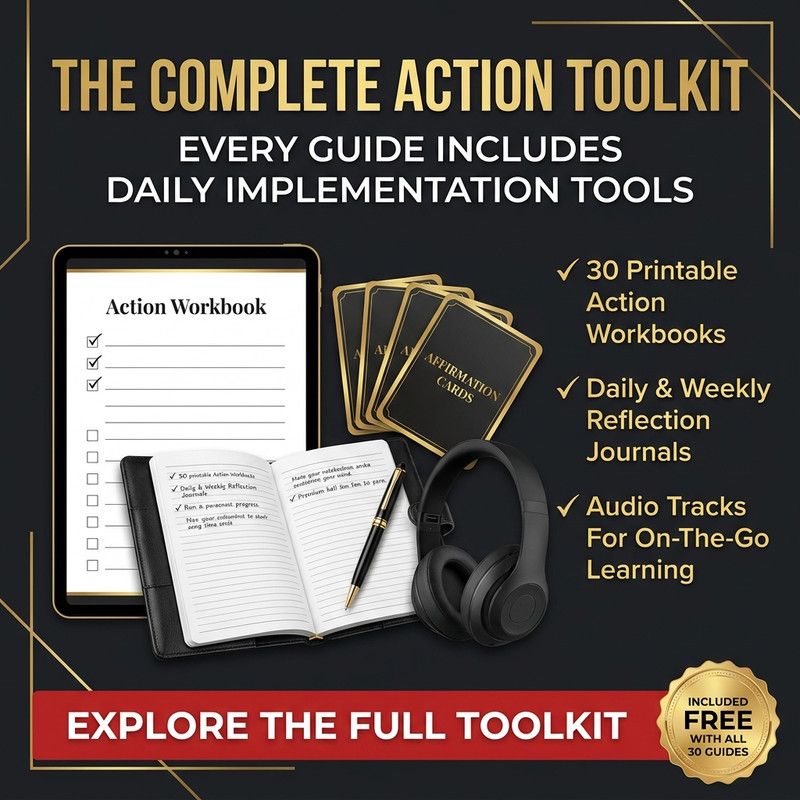
Inside the full guide, you'll discover:
- The morning routine that sets you up for unstoppable momentum.
- How to break bad habits without willpower struggles.
- The exact words to use in positive self-talk (they matter more than you think).
- How to handle setbacks without losing faith.
- The secret to setting goals that actually excite you.
[Click here to get the complete "101 Self Help Tips" guide →]
Stop letting your time slip away. Stop letting your thoughts hold you back. Stop waiting for "someday" to arrive. Your transformation starts with one page. One tip. One decision. Make that decision now.
💬 We'd Love to Hear Your Thoughts!
What is your biggest struggle when it comes to time management? Have you successfully rewired your thinking to overcome procrastination? Share your experiences, challenges, or favorite self-help tips in the comments below. Let's build a highly productive community together!
Frequently Asked Questions (FAQs)
How long does it take to rewire your thinking?
Rewiring your thinking is an ongoing process. While you can experience a mental shift immediately by changing your perspective, building lasting positive beliefs and habits typically takes anywhere from 21 to 66 days of consistent practice.
What are the best time management tools for beginners?
Start simple. A basic digital calendar (like Google Calendar) for time-blocking, a notebook for daily priorities, and a timer for the Pomodoro technique are all you need to take control of your schedule initially.
How can I be productive when I feel completely unmotivated?
Rely on discipline and systems rather than motivation. Break your task into the smallest possible step (e.g., "just open the document") and commit to doing it for just 5 minutes. Often, starting is the hardest part, and momentum will carry you forward.
Summary & Next Steps
In conclusion, learning how to be productive requires a dual approach: mastering your schedule and mastering your mind. By stepping back, planning realistically, avoiding multitasking, and actively choosing optimism and presence, you can completely transform your daily output and overall happiness. Remember, productivity is not about doing more; it is about doing what matters most with intention and clarity.
This article contains affiliate links. If you purchase the full guide through these links, you're supporting more content like this at no additional cost to you. Thank you for your support.