The modern workplace is characterized by a constant tension between two competing demands: the need for sustained focus on cognitively demanding work, and the need for sufficient rest to maintain long-term performance. The traditional Pomodoro technique, developed by Francesco Cirillo in the late 1980s, addresses this tension through a simple rhythm: work for a fixed interval—traditionally 25 minutes—then take a short break. After four cycles, a longer break occurs. The elegance of this method lies in its simplicity, creating a structured workflow that balances effort and recovery, protecting both productivity and well-being. However, in today's fast-paced digital landscape, static timers often fall short, necessitating a transition toward smart focus systems powered by artificial intelligence.
⚡ Quick Check: Is Your Current Focus Strategy Leading to Burnout?
Before diving into the science of AI-driven productivity, take this 30-second interactive test to evaluate your current time management habits and see if you need an adaptive upgrade!

📋 Table of Contents
1. Understanding the Pomodoro Foundation
Before adding artificial intelligence to the equation, it is essential to understand why the traditional Pomodoro technique works. At its core, the method leverages two well-established psychological principles. The first is the power of time-boxing: setting a clear, bounded period for focused work reduces the anxiety of open-ended effort. The mind knows exactly how long it must sustain concentration, which makes starting easier and maintaining focus more manageable.
The second principle is the necessity of recovery. Cognitive work depletes mental resources. Short, regular breaks restore those resources, preventing the gradual decline in performance that occurs when work is continuous. Research in occupational psychology, such as studies published in the Journal of Applied Psychology, has shown that brief, frequent pauses improve sustained attention and reduce the subjective experience of fatigue. The traditional Pomodoro rhythm—25 minutes of work followed by 5 minutes of rest—provides a reliable cadence that balances these two needs.
The limitation, however, is that this cadence is fixed. Human energy levels are not. A person’s capacity for focus fluctuates throughout the day, influenced by circadian rhythms, sleep quality, stress, nutrition, and the nature of the work itself. The fixed Pomodoro interval ignores these fluctuations. AI has the potential to address precisely this blind spot by introducing smart scheduling that adapts the rhythm to the individual.
2. AI-Powered Pomodoro Timing
One of the simplest yet most impactful integrations of AI with the Pomodoro technique is dynamic interval timing. Instead of using a standard 25-minute focus period for every session, an AI system can recommend personalized intervals based on the user’s historical performance, current energy state, and the specific task at hand. This is the foundation of modern AI productivity.

For example, an AI scheduling system might analyze data from previous sessions and learn that the user performs best with 45-minute focus blocks in the morning but only 20-minute blocks in the mid-afternoon. It could then automatically set the Pomodoro timer to 45 minutes for the first session of the day and 20 minutes for the post-lunch session. This personalization ensures that the focus period is always matched to the user’s actual capacity, reducing the frustration of either pushing through fatigue or being interrupted prematurely.
The AI can also consider task complexity. A high-concentration task—such as writing, coding, or strategic planning—might warrant a longer block, while a routine administrative task might be better suited to a shorter burst. By factoring in both the user’s state and the task type, AI smart scheduling tools transform the Pomodoro timer from a blunt instrument into a precision tool.
3. Dynamic Break Scheduling & Energy Management
Just as AI can adjust the length of focus periods, it can also optimize break duration and timing. The traditional 5-minute break is a one-size-fits-all solution that may be too short for a mentally exhausted brain or unnecessarily long for a light administrative task. AI-driven smart scheduling addresses this by recommending breaks that are proportional to the intensity of the preceding work and the user’s current energy level.
A system might monitor indicators of cognitive load—such as typing speed, mouse movement, or self-reported stress—and extend a break when it detects high strain. Conversely, if the user is in a state of flow and shows no signs of fatigue, the AI might shorten the break or suggest continuing the focus period to avoid disrupting momentum. This level of energy management goes far beyond what a static timer can provide, contributing directly to burnout prevention.
The type of break can also be personalized. Some breaks are more restorative than others. A 5-minute walk, a brief mindfulness exercise, or simply looking away from the screen for a few minutes each has different effects. AI can recommend the most appropriate break activity based on what the user’s body and mind need at that moment, ensuring effective recovery and avoiding stress at work.
4. Traditional vs. AI-Powered Focus Comparison
To better understand how artificial intelligence elevates your daily workflow, let us compare the traditional Pomodoro method with an AI-powered adaptive focus system.
| Feature | Traditional Pomodoro | AI-Powered Smart Focus |
|---|---|---|
| Session Length | Fixed (typically 25 mins) | Dynamic (20 to 60 mins based on energy) |
| Break Durations | Fixed (5 mins short, 15 mins long) | Adaptive (proportional to cognitive load) |
| Interruption Handling | Manual (user must ignore or pause) | Automated (DND mode, smart filtering) |
| Burnout Prevention | Passive (relies on user discipline) | Proactive (predicts fatigue patterns) |
5. How AI Can Help You Master This
Integrating AI into your daily routine does not require complex software. You can leverage advanced large language models (like ChatGPT, Claude, or Gemini) to act as your personal productivity coach. By feeding these models your daily schedule, energy patterns, and task lists, you can generate a highly optimized, adaptive focus plan.
Here is a step-by-step workflow to implement this immediately:
- Step 1: List your key tasks for the day along with their estimated cognitive difficulty (High, Medium, Low).
- Step 2: Note your typical peak energy hours (e.g., 9:00 AM - 11:30 AM).
- Step 3: Copy the advanced prompt template below and paste it into your AI assistant to generate your custom daily schedule.
Act as an expert productivity coach specializing in chronobiology, energy management, and the Pomodoro technique. I want you to design a personalized daily focus schedule for me.

Here are my parameters:
- Tasks for today: [Insert tasks here, e.g., Writing report (High focus), Answering emails (Low focus)]
- My peak energy hours: [Insert hours, e.g., 9:00 AM to 11:30 AM]
- Total working hours: [Insert total hours, e.g., 8 hours]

Please generate an adaptive schedule that uses dynamic Pomodoro blocks (longer blocks for high energy/complex tasks, shorter blocks for low energy/routine tasks) and proportional recovery breaks. Include specific recommendations for break activities to prevent burnout.
6. Smart Interruption Management & Adaptive Adjustments
Interruptions are the ultimate enemy of deep work. A single notification, phone call, or message can shatter a focus period and derail your entire rhythm. AI can serve as an intelligent gatekeeper, protecting your Pomodoro sessions from external disruptions.

During a focus interval, an AI assistant can automatically activate a "do not disturb" mode, silencing non-essential notifications, declining meeting requests, and setting status messages that inform others of your unavailability. More advanced systems can learn which interruptions are truly urgent—based on the sender, the content, or the frequency—and allow only those through, ensuring a seamless workflow.
Furthermore, the ideal system features adaptive session adjustment. If the AI detects that you are losing focus—perhaps indicated by increased mouse movement, slower typing, or a self-reported dip in concentration—it might suggest ending the session early and taking a break. If you are in a state of flow, it might extend the session beyond the planned interval. This flexibility respects the natural ebb and flow of attention, making avoiding stress at work a seamless reality.
7. Burnout Prediction and Long-Term Pattern Analysis
Burnout is not a sudden event; it develops gradually over weeks and months. Its early warning signs are often subtle: declining productivity, increased irritability, disrupted sleep, and reduced enthusiasm. By the time a person recognizes these signs, they may already be deeply burned out. AI has the potential to detect these signs much earlier, making proactive burnout prevention possible.
🎬 Visual Summary Slides
Swipe/scroll horizontally to view the key visual takeaways and lessons from this guide:


An AI system that tracks Pomodoro session data—completion rates, focus quality, break behavior—can identify patterns that precede burnout. A gradual decline in session completion, an increase in skipped breaks, or a rise in self-reported stress levels can all signal an impending problem. The AI can then intervene proactively: suggesting a longer break, reducing the number of scheduled sessions, or recommending a full recovery day.
Over weeks and months, this data accumulates into a rich dataset that AI can mine for insights. The AI can identify which session lengths work best, which times of day are most productive, which types of breaks are most restorative, and which tasks cause the most resistance. This continuous improvement loop is the ultimate expression of AI productivity, evolving your daily schedule into a highly personalized wellness tool.
8. Real-Life Inspirations & Recommended Readings
🌟 Real-Life Inspirations & Success Stories
Francesco Cirillo, the creator of the Pomodoro Technique, originally developed the method using a simple tomato-shaped kitchen timer during his university years. He realized that trying to study for hours without breaks led to severe mental fatigue and diminishing returns. By breaking his work into 25-minute blocks, he unlocked a sustainable way to maintain high cognitive performance. In the modern era, productivity pioneer Cal Newport, author of Deep Work, has championed similar structured focus intervals, demonstrating that elite cognitive output is achieved not by working longer hours, but by protecting intense, uninterrupted blocks of concentration.
📚 Recommended Readings & Lit List
To dive deeper into this subject, here are some critically acclaimed and highly recommended books that offer profound insights on this specific topic:
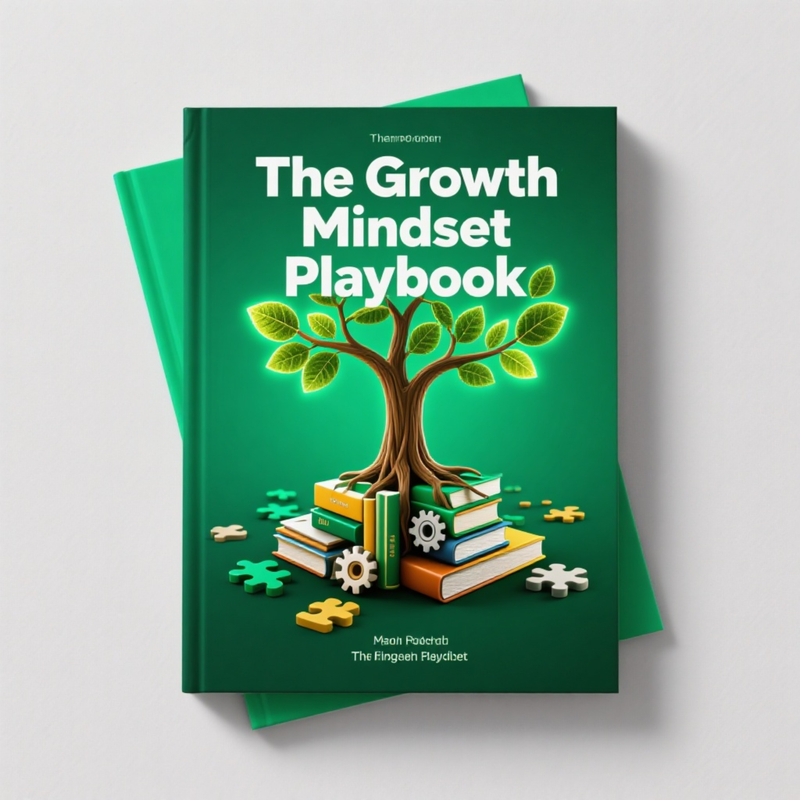
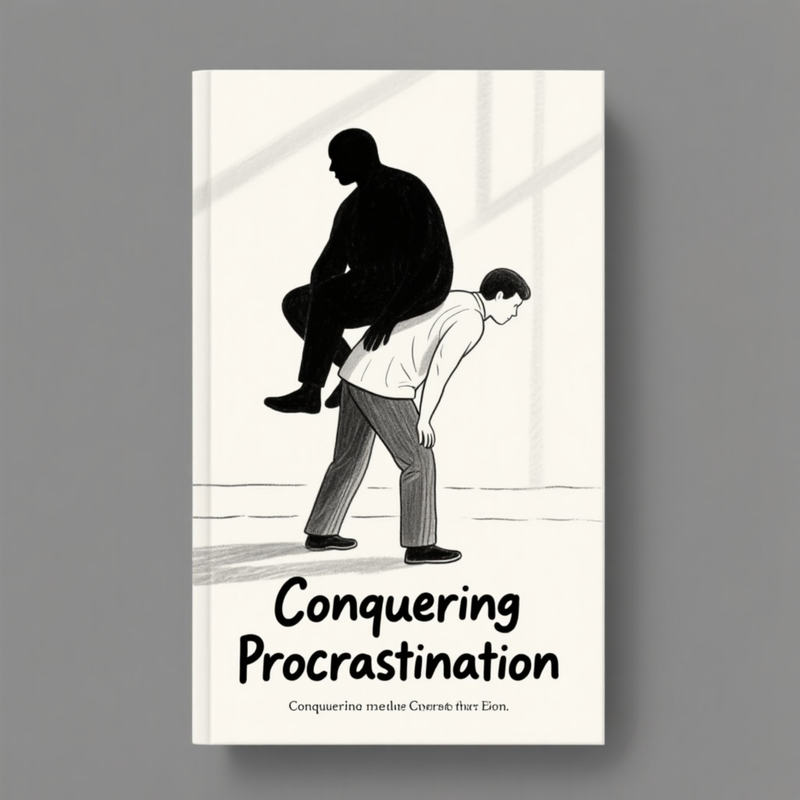
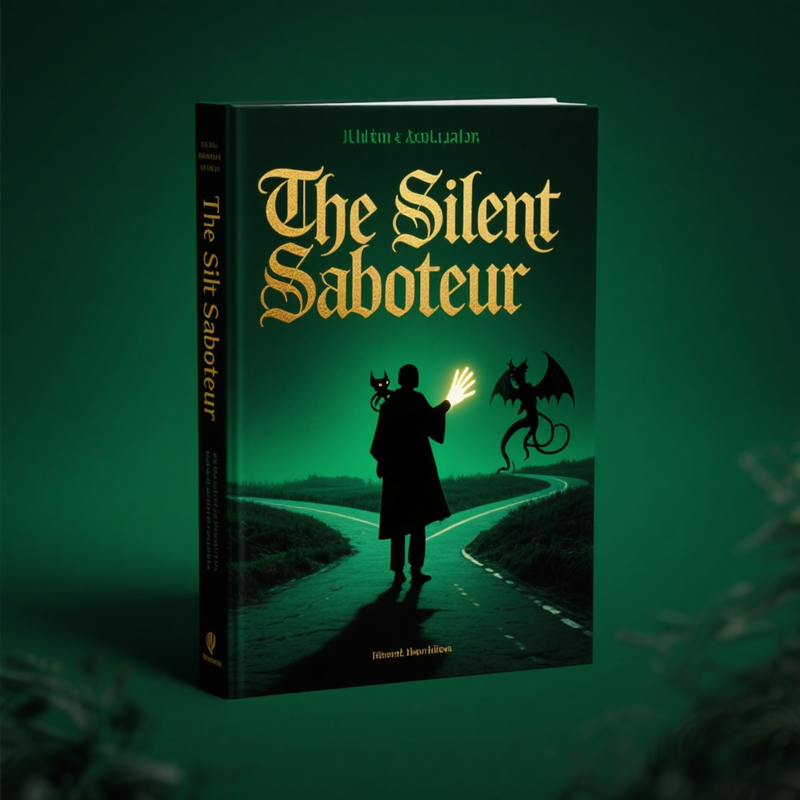
- "Deep Work: Rules for Focused Success in a Distracted World" by Cal Newport: A foundational text explaining the cognitive science behind deep focus and why structured, uninterrupted work blocks are essential for high-value output.
- "The Power of Full Engagement" by Jim Loehr and Tony Schwartz: This book shifts the focus from time management to energy management, arguing that managing energy, not time, is the key to high performance and burnout prevention.
- "Atomic Habits" by James Clear: An exceptional guide on how to build sustainable daily workflows and systems, making focus and recovery an automatic part of your identity.

💬 We'd Love to Hear Your Thoughts!
How do you currently balance your focus and recovery periods? Have you ever tried adapting your Pomodoro intervals based on your daily energy levels, or do you stick to the traditional 25-minute rule? Share your experiences, challenges, and thoughts in the comments below—let's learn from each other!
Frequently Asked Questions (FAQ)
Q1: Can I use the Pomodoro technique for creative tasks?
Yes! However, creative tasks often require a longer warm-up period to enter a state of flow. Using AI scheduling to extend your focus blocks to 45 or 50 minutes can be highly beneficial for creative endeavors, ensuring you aren't interrupted mid-thought.
Q2: How does AI predict burnout before it happens?
AI analyzes behavioral patterns over time, such as a sudden drop in session completion rates, skipping scheduled breaks, or working late into your natural recovery windows. By identifying these deviations, the system can flag fatigue risks early.
Q3: Is it difficult to transition from traditional Pomodoro to AI scheduling?
Not at all. You can start simply by using AI prompts to plan your day, or by utilizing modern productivity apps that feature adaptive timers. Expect a 2-3 week calibration period for the system to fully align with your unique biological rhythms.
Summary
The Pomodoro technique has endured for nearly four decades because it addresses a fundamental truth: human beings work best in rhythms of focus and rest. However, a rigid 25-minute timer is a blunt instrument. By combining this classic method with AI smart scheduling, we transform it into a precision tool capable of adapting to our unique biology, tasks, and goals. This integrated approach maximizes cognitive output, optimizes energy management, and actively supports burnout prevention, paving the way for a healthier, more sustainable way of working.