A bad habit is an automated behavioral response wired into neural pathways through repeated reinforcement, which persistently produces adverse consequences for health, productivity, and emotional equilibrium. Whether someone finds themselves habitually compelled to procrastinate on important work, drown in mindless digital feeds, or succumb to midnight snacking, every destructive routine relies on a shared neurobiological infrastructure. These harmful habits are learned through environmental triggers, solidified through dopaminergic anticipation, and maintained because they once offered an instantaneous neurochemical reward. Unraveling the mechanics behind breaking bad habits represents one of the most transformative acts of personal development, liberating cognitive bandwidth and restoring autonomy over daily choices.
🧠 Self-Assessment: Is Your Habit Loop Running Your Life?
Before reading this comprehensive guide, take this quick 3-question diagnostic quiz. Pinpoint where automated impulse overrides deliberate choice in your daily routine.
Understanding these automated patterns requires an evidence-based roadmap grounded in psychological sciences. This detailed analysis examines the biological foundations of how behavior hardwires, unpacks the 10 most widespread contemporary bad habits, compares passive motivation with intentional behavioral design, and provides actionable frameworks including advanced AI prompt workflows to initiate lasting transformation.
📋 Table of Contents
- 1. The Neuroscience of Habit Formation
- 2. Deconstructing the Habit Loop: Cue, Routine, Reward
- 3. Deep Dive: 10 Universal Bad Habits Modern Life Reinforces
- 4. Comparison: Willpower Resistance vs. Behavioral Architecture
- 5. Evidence-Based Strategies for Breaking Bad Habits
- 6. How AI Can Help You Master Habit Transformation
- 7. Real-Life Inspirations & Success Stories
- 8. Recommended Readings & Literature List
- 9. Frequently Asked Questions (FAQ)
- 10. Discussion & Reader Thoughts
- 11. Summary & Action Steps
The Neuroscience of Habit Formation
Human survival has always depended on brain efficiency. In cognitive neuroscience, habit formation represents the biological process by which voluntary behaviors transition into subconscious mental reflexes. This shift is controlled by two interconnected mechanisms within the brain: the goal-directed system, located primarily within the prefrontal cortex, and the stimulus-response (S-R) system, anchored within the basal ganglia, specifically the dorsolateral striatum.
When you encounter a novel circumstance, your prefrontal cortex actively calculates risks, projects future consequences, and monitors every movement. However, this intentional calculation consumes massive quantities of glucose and mental energy. To protect itself from cognitive exhaustion, the brain constantly searches for ways to economize effort. As a routine is repeated across identical environmental cues, neural firing gradually relocates from the prefrontal cortex into the basal ganglia. Neuroscientists referring to findings indexed by the National Institutes of Health (NIH) on neural plasticity demonstrate that as behavioral repetition increases, brain activity shifts from active decision-making to automatic execution.
Once this transition solidifies, the behavior is executed automatically without intentional deliberation. Habit expression overrides executive restraint because the brain operates on pattern-matching autopilot. This explains why an individual can swear in the morning to prioritize clean eating or maintain calm patience, yet find themselves snacking or venting before their conscious mind can intervene.

Deconstructing the Habit Loop: Cue, Routine, Reward
Every behavioral pattern follows an architectural cycle known as the habit loop. Developed thoroughly in modern psychology, this feedback mechanism consists of three sequential components:
- 1. The Trigger (Cue): An environmental, emotional, temporal, or social stimulus that flags the brain to activate autopilot. Triggers can be external—such as receiving a notification ping, stepping into a vehicle, or smelling baked goods—or internal, including emotional distress, loneliness, physical fatigue, and boredom.
- 2. The Routine (Behavior): The executed behavioral response itself. This can be physical (such as biting fingernails or lighting a cigarette), emotional (spiraling into stop doing unproductive reactions), or digital (mindlessly refreshing browser feeds).
- 3. The Reward: The positive neurological feedback that follows the action. The reward teaches the brain that the preceding routine was worth memorizing for future discomfort or energy preservation.
Crucially, the brain does not demand that a reward be physiologically beneficial; it merely seeks prompt relief or a burst of dopamine. Escaping a tedious work task provides instantaneous nervous system comfort. Over time, the mere appearance of the cue sparks anticipatory craving, locking the habit loop securely into place.
Deep Dive: 10 Universal Bad Habits Modern Life Reinforces
1. Chronic Procrastination: The Regulatory Failure
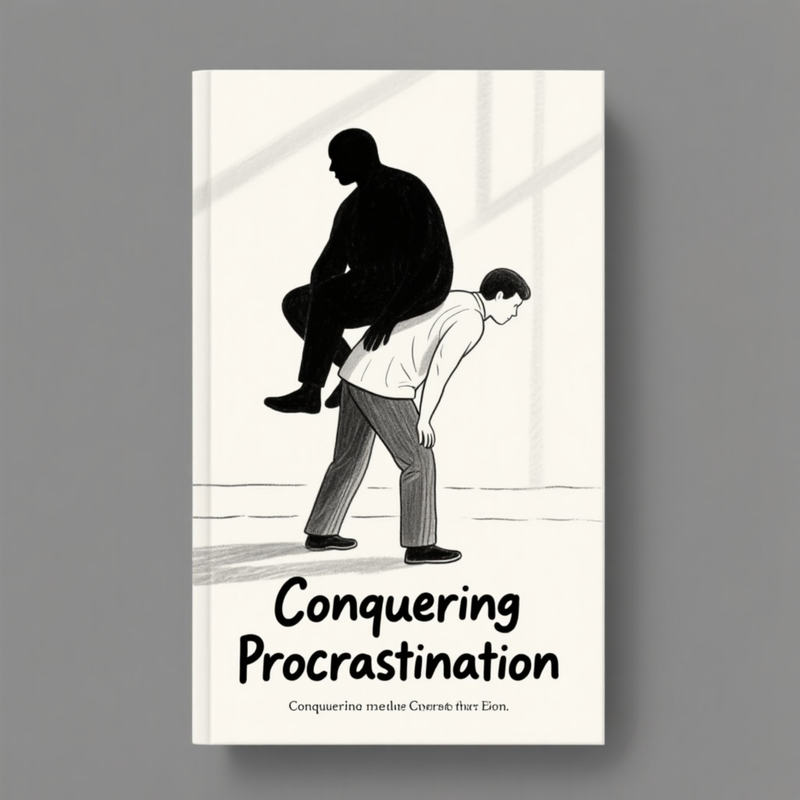
While often misdiagnosed as defective time management, chronic procrastination is fundamentally an emotional self-regulation failure. When an individual confronts an assignment that triggers feelings of self-doubt, cognitive overwhelm, or fear of failure, the brain identifies that task as a psychological threat. To neutralize this unpleasant emotional state, the nervous system prompts avoidance toward tasks providing trivial, instantaneous gratification. While this diversion brings immediate emotional relief, it reinforces the avoidance loop and escalates panic as deadlines loom.
2. Excessive Screen Time: The Dopaminergic Mirage
In our hyper-connected reality, excessive screen time has evolved into an involuntary digital reflex. The pervasive pocket smartphone delivers rewards on a variable-ratio schedule—the exact neurochemical schedule that governs slot machines. When people cannot focus on a single task, their continuous micro-checking fragments attention span, accelerates mental exhaustion, and drastically elevates baseline anxiety. The brain is flooded with constant synthetic novelties, depleting its sensitivity to real-world achievements.
3. Poor Sleep Hygiene: The Systemic Domino
Poor sleep hygiene represents an insidious cluster of counterproductive actions: taking blue-light emitting devices to bed, maintaining unpredictable sleep-wake schedules, and ingesting caffeine late into the afternoon. Chronic circadian disruptions degrade executive functioning inside the prefrontal cortex. Deprived of regenerative rest, an individual loses the neural capacity to exert self-control, precipitating a downward cascade across diet, mood, and concentration.
4. Sedentary Behavior: The Physical Stagnation Trap
With modern work predominantly tied to digital terminals, sedentary behavior has become an invisible health crisis. Research continually links continuous sitting to metabolic slowdown, cardiovascular vulnerability, and muscular imbalances. The reward reinforcing this cycle is physical comfort and the immediate absence of physical exertion. Without intentional movement breaks incorporated into the workday, prolonged inactivity becomes the subconscious default.
5. Dysfunctional Eating Patterns: Mood-Driven Consumption
From mindless eating while glued to television screens to reaching for ultra-processed sugars during intense emotional stress, unhealthy nutritional patterns operate as short-term mood regulators. Industrial foods rich in refined sugars and saturated fats prompt intense dopamine surges that briefly drown out emotional distress. However, the subsequent blood-sugar crash triggers guilt and physical lethargy, driving another wave of stress-induced consumption.
6. Chronic Complaining: Neurochemical Negativity Rewiring
Chronic complaining is rarely viewed through the lens of automated habit, yet it fundamentally reshapes cognitive architecture. When an individual continually complains without pursuing actionable solutions, neural pathways supporting pessimistic interpretations are reinforced. According to neuropsychological principles documented in the American Psychological Association's research on neuroplasticity, repeating negative conversational loops makes stress and fault-finding the default mental lenses.
7. Compulsive Consumption and Impulse Spending
The habit of impulse purchasing often functions as an emotional bandage for acute stress or boredom. The dopamine peak in consumer spending occurs during anticipation—browsing, evaluating, and purchasing—rather than post-purchase ownership. Once the package arrives, the chemical rush dissipates rapidly, frequently replaced by remorse and financial strain.
8. Body-Focused Repetitive Behaviors (Nervous Habits)
Repetitive actions like nail-biting, cuticle picking, and jaw clenching belong to a category known as body-focused repetitive behaviors. Usually triggered by unconscious anxiety, restlessness, or intense intellectual concentration, these nervous routines serve as mechanical tension releases for an overstimulated or understimulated central nervous system.
9. Inadequate Hydration and Irregular Morning Nutrition
Neglecting morning fuel and cellular hydration represents a widespread habit born of frantic scheduling. When the body starts its morning in a state of dehydration and low blood glucose, cognitive processing slows, irritability spikes, and the brain instinctively compensates by demanding sugar and caffeine surges later in the afternoon.
10. Chronic Multitasking: The Illusion of High Output
Far from a superpower, multitasking is neurobiologically impossible for deep cognitive tasks. The human brain merely executes rapid, costly task-switching. Each transition incurs an attentional switching penalty, reducing work quality, accelerating mental fatigue, and fostering a scattered, anxious mindset.

Comparison: Willpower Resistance vs. Behavioral Architecture
When seeking to conquer unwanted behaviors, most people rely solely on brute mental willpower. However, cognitive psychology confirms that willpower operates like a depletable biological muscle. The table below illustrates the stark operational differences between relying purely on conscious grit versus implementing systematic environmental architecture.
| Evaluation Dimension | Willpower Reliance Alone | Systematic Behavioral Architecture |
|---|---|---|
| Primary Mechanism | Conscious suppression and moment-by-moment restraint | Friction engineering and trigger elimination |
| Energy Expenditure | Extremely high glucose and cognitive energy drain | Low; decisions are automated by contextual design |
| Failure Point | Moments of fatigue, evening exhaustion, or acute stress | Rare; harmful triggers are physically inaccessible |
| Long-Term Sustainability | Poor; triggers remain present in surroundings | Superior; new environmental defaults support constructive choices |
| Core Philosophy | "I must resist temptation through intense mental strength" | "I will design spaces where the bad habit is difficult to execute" |
Evidence-Based Strategies for Breaking Bad Habits
Successfully breaking bad habits requires strategic redesign rather than harsh self-criticism. Psychological research highlights several proven intervention frameworks:
- 1. Environmental Cue Modification: Eliminate or obscure the cues initiating automatic routines. If late-night screen time disrupts rest, place charging stations in another room. By injecting physical friction into bad habits, you force the prefrontal cortex back online.
- 2. Strategic Routine Substitution: Never attempt to merely extinguish a habit vacuum. Instead, keep the cue and reward intact while exchanging the middle routine. If stress triggers a urge to snack on sweets, replace it with a 5-minute walk or a cup of herbal tea that provides nervous system calming.
- 3. Precision Implementation Intentions: Formulate structured conditional commitments: "If [Context X happens], then I will perform [Action Y]." Studies show that establishing pre-planned behavioral responses eliminates indecision during temptation.
- 4. Identity-Based Micro-Commitments: Ground your daily changes in the kind of person you are becoming rather than temporary goals. Strengthening authentic discipline involves viewing each constructive choice as a vote toward your desired future self.
How AI Can Help You Master Habit Transformation
Modern Artificial Intelligence tools—such as Claude, ChatGPT, and Gemini—offer transformative potential when deployed as personalized behavioral coaches. Rather than relying on generic tips, you can utilize structured AI prompts to analyze your environmental friction, dissect emotional cues, construct personalized substitution menus, and calibrate your daily routine.
Below are two advanced, copy-pasteable prompt workflows engineered to turn AI into a personalized behavioral architecture partner.
Act as a behavioral psychologist specializing in habit formation and neuroplasticity.

I want to dismantle this specific bad habit: [INSERT YOUR SPECIFIC HABIT HERE, e.g., scrolling phone in bed for 45 minutes].

Please help me dissect this habit through the following structured framework:
1. Identify the likely primary cues (Internal emotional state, Time of day, Location, Preceding action).
2. What exact neurochemical or psychological reward is my brain extracting from this behavior (e.g., dopamine surge, stress avoidance, mental decompression)?
3. Propose 3 healthy 'Competing Responses' (Replacement Routines) that satisfy the exact same underlying reward without the negative side effects.
4. Write 3 distinct 'Implementation Intentions' (If-Then statements) tailored to this specific scenario to prevent relapse.
5. Recommend 2 physical friction barriers I can introduce into my immediate environment to make executing this bad habit significantly harder.
Act as an executive productivity strategist and expert in emotional regulation.

I am currently procrastinating on the following important task: [DESCRIBE THE TASK YOU ARE AVOIDING].

Help me break the emotional avoidance cycle by delivering:
1. A 2-minute psychological de-escalation exercise to neutralize the anxiety or boredom associated with starting.
2. The 'Micro-Slice' action step: Break the first 15 minutes of this project into 3 ultra-small, low-friction micro-actions that require under 5 minutes each.
3. A practical framework for managing time during deep work sessions to prevent mental drift.
4. A realistic self-accountability checkpoint I can verify at the end of the session.

🌟 Real-Life Inspirations & Success Stories
Benjamin Franklin's Systematic Transformation: In his early twenties, Benjamin Franklin recognized that unexamined impulses threatened his long-term character and goals. Rather than relying on vague resolutions, he designed a systematic 13-week behavioral tracking chart. Each week, Franklin focused his cognitive attention on cultivating a single virtue (such as Order, Sincerity, or Moderation) while recording daily lapses in a pocket ledger. By systematically focusing on one behavioral adjustment at a time rather than tackling everything simultaneously, he gradually transformed automated reactions into intentional character habits that shaped his prolific legacy.
📚 Recommended Readings & Lit List
To dive deeper into behavioral psychology and habit architecture, explore these critically acclaimed masterworks:
- "Atomic Habits" by James Clear: An exceptionally practical guide outlining the four laws of behavior change, emphasizing environmental architecture, identity shifts, and the power of tiny 1% daily compounding.
- "Good Habits, Bad Habits" by Dr. Wendy Wood: Grounded in decades of empirical laboratory research, this book explains how our subconscious environment shapes automatic behaviors far more decisively than conscious willpower.
- "The Power of Habit" by Charles Duhigg: The foundational journalistic exploration that popularized the neurobiology of the habit loop across individuals, top-tier organizations, and societies.
Frequently Asked Questions (FAQ)
How long does it realistically take to break a bad habit?
While the popular myth suggests exactly 21 days, peer-reviewed behavioral research indicates that habit automation takes anywhere from 18 to 254 days, averaging roughly 66 days depending on the complexity of the routine and individual consistency. The key metric is not the calendar days passed, but the number of behavioral repetitions executed under consistent environmental cues.
Can an old bad habit ever be completely erased from the brain?
Neuroscience demonstrates that once a neural circuit for a habit is etched into the basal ganglia, the physical pathway remains dormant rather than entirely deleted. This explains why an old impulse can resurface during periods of acute exhaustion or familiar environments. However, by establishing a stronger, competing neural pathway through replacement routines, the old circuit becomes inactive and weak through disuse.
Why does stress make us revert to bad habits so quickly?
During heightened psychological stress or fatigue, the prefrontal cortex—which governs executive control, long-term reasoning, and inhibition—experiences diminished energy resources. When this goal-directed system is down-regulated, the brain instinctively shifts authority to the automated basal ganglia, defaulting to familiar routines that offer immediate neurochemical comfort.
💬 We'd Love to Hear Your Thoughts!
Which specific habit loop highlighted in this guide is currently your greatest daily obstacle? Have you ever successfully replaced an automated routine by redesigning your immediate environment? Share your personal insights, strategies, or struggles in the comments below—we read and reply to your reflections!
Summary: Reclaiming Your Behavioral Autonomy
Bad habits are not moral flaws or character deficits; they are learned survival patterns and dopamine shortcuts hardwired into your neural circuits through repeated environmental reinforcement. Whether grappling with digital distraction, sleep deprivation, or task avoidance, the pathway forward does not require punishing self-criticism. Real transformation emerges when you deconstruct the underlying cue, replace the routine with an adaptive alternative, engineer your physical space to make undesirable actions difficult, and deploy implementation plans to safeguard your decisions.
Every constructive choice you make today casts a vote for the person you wish to be tomorrow. By shifting from reactive willpower to intentional behavioral architecture, you step out of subconscious loops and step into conscious, purpose-driven living.