Table of Contents
Do you have dreams and aspirations but struggle to turn them into reality? You're not alone. Many people have a vague idea of what they want, but without effective goal setting strategies, those dreams remain just that—dreams. This guide is your practical roadmap to making your aspirations tangible, actionable, and achievable. We'll explore how to set smarter goals that actually work, leveraging techniques that boost self-belief and lead to consistent success.
Whether you're aiming for personal milestones, career advancements, or significant life changes, mastering goal setting is your first and most crucial step toward lifelong personal development.

What is Goal Setting, and Why Does It Matter?
Goal setting is the process of defining exactly what you want to achieve and outlining the specific steps required to get there. It's more than just wishing; it's a commitment to a desired outcome. According to psychological research published by the American Psychological Association, having clear goals significantly improves performance by directing attention, mobilizing energy, and encouraging persistence.
Why is it so powerful? Let's look at the core benefits:
- Provides Direction: Goals give your efforts a clear focus, preventing aimless wandering and wasted energy.
- Increases Motivation: Having a target energizes you to act, especially when you understand the deeper "why" behind your objectives.
- Boosts Confidence: Each goal achieved provides tangible proof of your capabilities, reinforcing your self-belief.
- Enhances Decision-Making: When faced with choices, you can evaluate them based on whether they move you closer to your goals.
- Fosters Accountability: Clearly defined goals make it easier to track progress and hold yourself responsible for your personal growth.
The Foundation: Setting SMARTer Goals
The most effective goals aren't just vague desires. They are well-defined and strategic. The SMARTer goals framework is a proven method to make your objectives concrete and actionable. By utilizing structured smart goal templates, you can systematically map out your path to success.
- S - Specific: Your goal should be clear and precise, leaving no room for ambiguity. Instead of saying "I want to be healthy," try "I want to run a 5K race in 3 months."
- M - Measurable: You need concrete criteria to track progress and know when the goal is accomplished. For example, "I will track my running distance and time using a fitness app."
- A - Achievable (Attainable): While goals should stretch you, they must also be realistically attainable with effort. For the 5K goal: "I will train 3 times a week, gradually increasing my distance."
- R - Relevant: Your goal should be personally meaningful and fit into your broader life vision. "Running a 5K is relevant because I want to improve my cardiovascular health."
- T - Time-bound: A deadline creates urgency and prevents procrastination. "I will complete the 5K race by December 31st."
- E - Evaluate: Regularly review your progress. Are you on track? What's working, what's not? Be flexible enough to adjust your strategies.
- R - Reassess/Revise: If necessary, be willing to reassess or revise your goal based on new information or changing circumstances. Adaptability is key to long-term success.

Comparison: SMART Goals vs. Vague Goals
To understand why structured goal setting strategies are so effective, let's compare them directly with traditional, vague aspirations:
| Feature | Vague Goals (Traditional) | SMARTer Goals (Strategic) |
|---|---|---|
| Clarity | Ambiguous (e.g., "Get in shape") | Highly specific (e.g., "Run 5K in 25 mins") |
| Tracking | Hard to measure progress | Clear metrics and milestones |
| Timeframe | Open-ended (leads to procrastination) | Strict, realistic deadlines |
| Actionability | Overwhelming and abstract | Broken down into daily habits |
🌟 Real-Life Inspirations & Success Stories
Before becoming a global icon, Arnold Schwarzenegger used a strict goal-setting blueprint. Every year, he wrote his specific objectives on index cards—ranging from body dimensions to business milestones. By breaking down these massive targets into daily training routines and business actions, he transformed abstract dreams into physical reality. His unwavering self-belief and structured approach prove that writing down and chunking your goals is the ultimate catalyst for success.
Practical Goal Setting Strategies That Actually Work
Once you've defined your SMARTer goals, it's time to put strategies into action. Achieving your goals requires a blend of psychological preparation and tactical execution.
- 1. Break Down Your Goals (Chunking): Large goals can be overwhelming. Break them into smaller, manageable steps or milestones. For example, if your goal is to write a book, focus on writing 500 words a day rather than the entire manuscript at once. This reduces overwhelm, makes progress visible, and builds momentum.
- 2. Visualize Your Success: Regularly spend a few minutes imagining yourself achieving your goal. Engage all your senses. Imagine crossing the finish line, feeling strong and exhilarated. This practice boosts motivation, strengthens self-belief, and helps your subconscious mind work towards the goal.
- 3. Identify Potential Obstacles and Solutions: Proactively think about what might get in your way and how you'll handle it. If a busy work schedule is an obstacle, schedule your workouts or study sessions on your calendar like important appointments. This reduces surprises and equips you with a resilient plan.
- 4. Build a Support System: Share your goals with trusted friends, family, or a mentor. Their encouragement and accountability can be invaluable. It provides external motivation, different perspectives, and a sense of a shared journey.
- 5. Track Your Progress: Seeing how far you've come is a powerful motivator. Use a journal, an app, or a simple calendar. Tracking keeps you motivated, allows for timely adjustments, and reinforces your commitment.
- 6. Reward Yourself for Milestones: Acknowledge and celebrate your progress along the way, especially when you hit smaller milestones. This provides positive reinforcement, making the journey more enjoyable and sustainable.
- 7. Prioritize and Take Consistent Action (The Habit Loop): Goals are achieved through daily, consistent effort, not just big leaps. Focus on building habits around your goals. By understanding the Habit Loop (cue, routine, reward), you can automate your success. For instance, place your running shoes by the bed (cue) to make morning runs (routine) effortless.
📚 Recommended Readings & Lit List
To dive deeper into this subject, here are some critically acclaimed and highly recommended books that offer profound insights on this specific topic:
- "Atomic Habits" by James Clear: An essential guide on how tiny, daily changes can compound into massive personal growth and help you build habits that stick.
- "Smarter Faster Better" by Charles Duhigg: Explores the science of productivity and goal setting, explaining how to stay motivated and focused on what truly matters.
🎬 Visual Summary Slides
Swipe/scroll horizontally to view the key visual takeaways and lessons from this guide:


Common Goal Setting Mistakes to Avoid
Even with the best intentions, many people fall into common traps that derail their progress. Recognizing these pitfalls is the first step to avoiding them:
- Setting Too Many Goals: Trying to change everything at once dilutes your focus and leads to burnout. Stick to 1-3 major goals at a time.
- Vague Goals: Goals like "be happier" or "make more money" are hard to act upon. Be specific and measurable.
- Not Breaking Down Goals: Feeling overwhelmed by the sheer size of the goal. Always chunk them into daily or weekly tasks.
- Ignoring Obstacles: Failing to plan for challenges that will inevitably arise. Anticipate setbacks and prepare solutions.
- Lack of Accountability: Keeping goals entirely to yourself makes it easier to give up when things get tough.
- Perfectionism: Waiting for the "perfect" time or execution. Remember, imperfect action is always better than perfect inaction. Just start.
Ready to Test Your Goal Setting Knowledge?
Think you've grasped the essentials of effective goal setting? Take our interactive Goal Setting Quiz now to test your understanding and see how well you're prepared to achieve your goals!
Dive Deeper with Our Mini Guide!
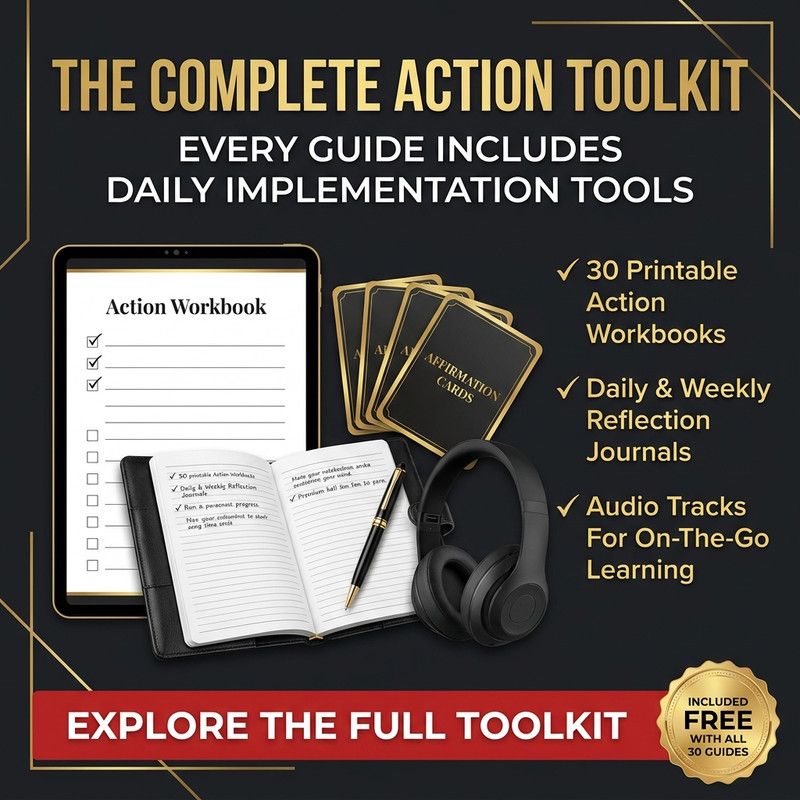
This article provides the framework, but for a comprehensive, actionable roadmap with practical exercises, smart goal templates, and inspiring affirmations to guide you through every step of your journey, explore our full Mini Guide: Achieve Your Goals - Your Blueprint for Success. It's designed to help you transform your aspirations into tangible reality.

💬 We'd Love to Hear Your Thoughts!
What is the biggest goal you are currently working toward, and which of these goal setting strategies do you find most helpful? Have you ever struggled with vague goals in the past? Share your experiences and tips in the comments below!
Frequently Asked Questions (FAQ)
Q1: What is the difference between a goal and a system?
A goal is the destination or the result you want to achieve, while a system is the daily process or habit loop that actually gets you there. Both are essential for long-term success.
Q2: How often should I review my goals?
It is highly recommended to review your goals weekly or monthly. This allows you to evaluate your progress, adjust your strategies, and maintain high motivation.
Q3: What should I do if I fail to meet a deadline?
Don't be discouraged. Setbacks are a natural part of personal growth. Reassess your goal, adjust your timeline if necessary, and focus on consistent daily action.
Summary: Your Journey to Achievement Starts Today
Goal setting is more than just a technique; it's a powerful tool for personal growth and personal development. By setting smarter goals and consistently applying effective goal setting strategies, you equip yourself with the clarity, motivation, and resilience needed to turn your aspirations into achievements.
Remember, every great journey begins with a single step—or in this case, a well-defined goal. Start today, and watch your potential unfold as you consistently move closer to the life you envision.